

News

HOA Collections Policy Guide

Procedure-Policies.-Binder-data-finance-report-business-with-graph-analysis-in-office-2048x1365

As board members and developers, we understand that discussing money — specifically, collecting it — can be the most uncomfortable part of the job. No one wants to be the “bad guy” chasing down a neighbor for a check. Yet, the financial health of the association depends on a consistent revenue stream. This is where a robust, transparent, and legally sound strategy comes into play.

In this guide, we will explore the critical elements of an HOA Collection Policy, why it serves as the backbone of your community’s financial stability, and how partnering with the right management team can transform a contentious process into a streamlined operation.

What is an HOA Collection Policy?


At its core, an HOA Collection Policy is a formal, written resolution adopted by the Board of Directors that outlines the specific procedures for collecting HOA dues. Think of it as the “Rule of Law” for your community’s finances. Instead of making ad-hoc decisions every time a payment is missed — which can lead to accusations of bias or discrimination — the policy provides a predictable, automated roadmap for how delinquencies are handled.

This document serves two distinct purposes. First, it educates homeowners on their obligations and the consequences of non-payment. Second, it provides the Board and the management team with a clear set of instructions to follow without needing to debate the merits of every individual case. It removes the emotion from the equation, turning HOA collections into a business process rather than a personal confrontation.

Why It’s Important to Have an HOA Collections Policy

The importance of a defined policy cannot be overstated, particularly in regulated states like Texas and Colorado, where homeowner rights and association powers are strictly balanced by law. Without a policy, an association is vulnerable to financial instability and legal liability.

Continue reading
  4 Hits

HOA and Airbnb: Pros & Cons of Short-Term Rentals

Vacation-Rental-in-an-HOA-community-2048x1365

As the popularity of platforms like Airbnb and Vrbo continues to skyrocket, HOA boards and HOA management companies are finding themselves at the center of a complex debate. This tension is becoming the new normal for communities across Texas and Colorado. Balancing the property rights of owners with the quiet enjoyment of the community is no small feat.

In this post, let’s explore the intricate relationship between HOAs and short-term rentals like Airbnb, dissect the legal realities, and outline how to manage short-term rentals (STRs) effectively to protect your community’s value and lifestyle.

Do HOAs Allow Airbnb?


One of the most common questions our property management company encounters from both new homeowners and sitting board members is simply: Do HOAs allow Airbnb listings? The answer, unfortunately, is rarely a simple yes or no. It depends entirely on the specific governing documents of the association and the state laws that supersede them.

In many older communities, the Covenants, Conditions, and Restrictions (CC&Rs) may not explicitly mention short-term rentals because platforms like Airbnb did not exist when the documents were drafted. These documents often rely on broad language restricting properties to “residential use.” However, relying on this ambiguity is risky. Courts in various jurisdictions have interpreted “residential use” differently. Some argue that a short-term renter is still using the home for residential purposes (sleeping, eating, showering), just for a shorter duration.

For HOA Airbnb issues, silence in the documents often favors the homeowner. If a restriction is not explicitly stated, it is difficult to enforce. This is why many communities are now rushing to amend their documents to clarify their stance. Whether an HOA allows Airbnb often comes down to the precise wording of leasing provisions. Does the document define a lease? Does it set a minimum lease term? Without these specifics, an HOA might inadvertently allow nightly rentals, leaving the board with limited tools to manage the resulting traffic and turnover.

Continue reading
  4 Hits

Understanding Condo Associations

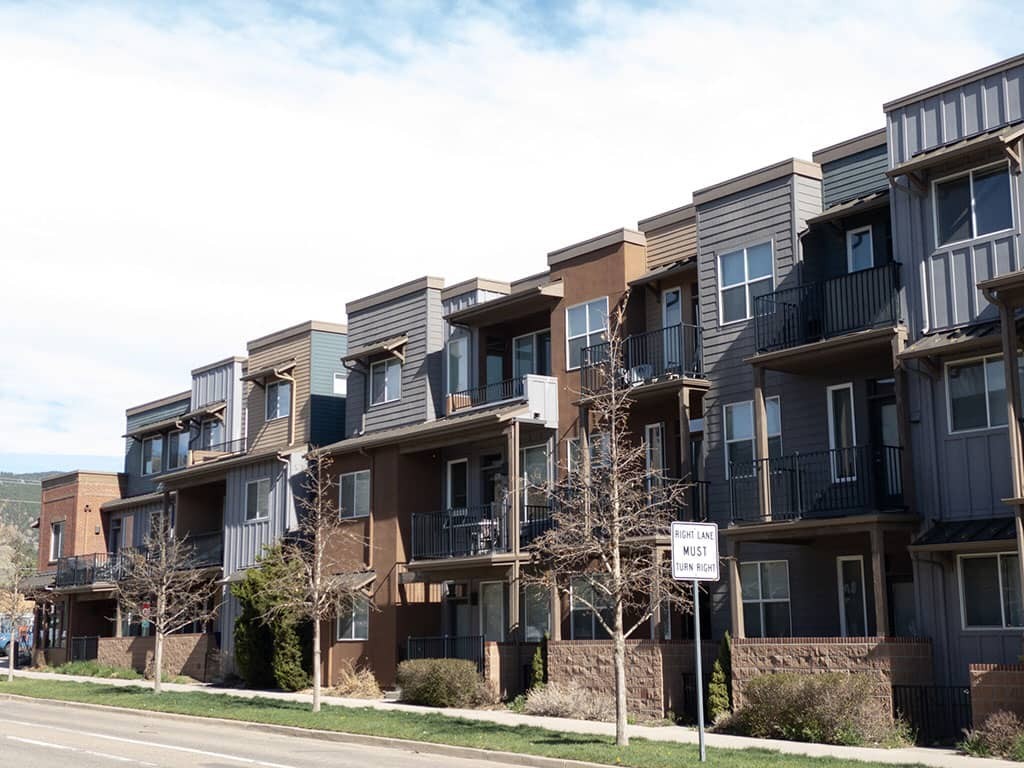
Colorado-Condos-2048x1536

Buying into a condominium or sitting on the board of a developing community often feels like entering a new world of governance, finance, and community dynamics. Imagine a first-time condo buyer in Austin or Denver: they are excited about the amenities — the pool, the gym, the low-maintenance lifestyle — but they might be less prepared for the intricate machinery that keeps those luxuries running. Behind every well-manicured lawn and functioning elevator lies a complex structure of legal obligations, financial planning, and human relationships.

Let’s explore the depths of this structure. We will break down exactly what defines these associations, how the financial gears turn, and why the partnership between a volunteer board and a professional management team is the bedrock of a thriving community.

What Is a Condo Association?

A condo association (often formally referred to as a condominium association) is the legal entity that governs a condominium development. Unlike a standard Homeowners Association (HOA) where members typically own their lot and structure entirely, a condo association manages a property where individuals own their specific units (usually “walls-in”) while collectively owning the common elements—hallways, roofs, elevators, and land.

In our experience across Texas and Colorado, we see that many people mistake the association for just “the rule enforcers.” While enforcement is part of it, the association is primarily a corporation—often a non-profit—designated to maintain property values and ensure the safety and solvency of the community. In Texas, these entities often operate under the Texas Uniform Condominium Act (TUCA), while in Colorado, they are guided by the Colorado Common Interest Ownership Act (CCIOA). These laws dictate everything from how meetings are conducted to how insurance proceeds are distributed after a disaster.

The association is not a distant landlord; it is the collective voice of the owners. Membership is mandatory upon purchasing a unit. This automatic membership binds the owner to the Declaration of Condominium (or Covenants, Conditions, and Restrictions), which outlines what owners can and cannot do. This structure ensures that the building’s aesthetic consistency, structural integrity, and financial health are preserved for everyone’s benefit. For example, if a roof leaks in a multi-story building, it is not just the top-floor owner’s problem; it is a community liability that the condo association must address using collective funds.

Continue reading
  4 Hits

HOA Communication Tools for Weather Announcements

Weather-Alert-Horizontal-Background.-White-Text-and-Yellow-Shapes-on-Heavy-Black-Clouds-Rain-and-Water-Drops.-Communication-Broadcasting-and-Risk-Concept-2048x1152

The sky turns that bruised shade of purple-green, the wind begins to howl through the planned landscaping, and the local news stations switch to 24-hour coverage. Whether it is a sudden freeze gripping Austin, a tornado warning siren wailing across the plains, or a heavy blizzard burying a community in Colorado, severe weather events are the ultimate stress test for any community association. In those critical moments, the difference between panic and organized safety often comes down to one thing: effective communication.

We know the weight that sits on the shoulders of HOA board members during these times. You are not just managing property; you are looking out for the well-being of neighbors and friends. The primary goal is to keep everyone safe and informed, but without the right strategy, information vacuums create fear. We want to guide you through building a resilient strategy, focusing on the specific HOA communication tools and preparation methods that transform a chaotic weather event into a managed situation.

How Can Your HOA Prepare for Disaster?

Preparation is not an activity to undertake when the storm clouds are already overhead. It requires a proactive approach that begins months in advance. Successful HOA property management involves anticipating the worst-case scenarios — be it a hurricane, a flash flood, or a severe winter storm — and establishing a fortified infrastructure to handle them.

When we approach weather preparedness, we must look at it through two lenses: the physical protection of the assets and the digital protection of the community’s peace of mind. If residents do not know what to do or where to go, the best physical preparations may fall short.

Reviewing Insurance Coverage | Is Your Community Protected?

The first step in any robust preparation plan is a comprehensive review of the association’s insurance policies. It is common for boards to assume they are covered for “acts of God,” only to discover painful exclusions after the damage is done. We strongly advise sitting down with your insurance broker annually to verify that your policy reflects the current replacement costs, which have likely risen due to inflation and labor shortages.

Continue reading
  4 Hits

Managing Your HOA Reserve Funds

2026-with-Coins-stack-and-dartboard-icon.-Strategy-goal-Money-Budget-for-HOA-2048x900

As HOA board members, we wear many hats. We’re mediators, event planners, and rule interpreters. But our most critical role, the one that protects the financial health and physical integrity of our entire community, is that of a financial steward. The cornerstone of this duty isn’t the operating budget — it’s the management of the HOA Reserve Funds.

We’ve seen communities in Texas and Colorado grapple with this. A board thinks they’re in the clear, and then a 20-year-old roof fails, a retaining wall collapses, or the main road needs a complete repaving. The price tag is staggering. Suddenly, the community is thrown into chaos, facing massive special assessments and angry residents.

This entire crisis is avoidable. It’s why we, as an HOA property management company, are so passionate about this topic. Proper reserve fund management is the difference between a community that thrives for decades and one that faces one financial crisis after another.

In this post, we’re not just going to tell you what Reserve Funds are. We’re going to walk you through why they are the single most important financial tool you have, the best practices to manage them, the common pitfalls to avoid, and how professional support can safeguard your community’s future.

What Are HOA Reserve Funds?

Let’s start with the basics. Your HOA has two main “bank accounts.”

Continue reading
  4 Hits

Fun HOA Holiday Event Ideas

Christmas-people-neighbors-in-window-frames-sharing-greetings-and-congratulating-with-winter-holiday-vector-illustration.-Happy-neighborhood-and-Xmas-New-Year-celebration-at-home-apartments-2048x1320

The holiday season is a magical time, filled with warmth, light, and a sense of connection. For those of us living in and managing homeowners associations, this season presents a golden opportunity. It’s a chance to move beyond covenants and maintenance requests and actively foster the “community” part of our community association. We believe that a neighborhood thrives when neighbors know each other, and there’s no better way to break the ice than a festive gathering.

But let’s be honest, coming up with fresh, engaging, and inclusive HOA event ideas can be a challenge, especially for busy board members. You want to host an HOA event that appeals to all ages, respects the neighborhood’s diverse traditions, and, frankly, doesn’t break the budget. As a company with deep roots in HOA property management across Texas and Colorado, we’ve seen firsthand what transforms a simple get-together into a cherished annual tradition.

We’re here to share some of our favorite HOA community event ideas that are proven to bring residents together and create lasting holiday memories.

Top HOA Community Event Ideas for the Holidays

Getting residents to mingle is the first step toward building a stronger, more connected community. The key is to offer a variety of events that appeal to different interests. Here are six standout ideas we’ve seen work wonders.

Association Friendsgiving | A New Tradition

Why wait for the big day? A “Friendsgiving” potluck in late November is the perfect, low-pressure way to gather. We find this works exceptionally well in communities with many new residents or those who may not be traveling to see family.

Continue reading
  4 Hits

Holiday Safety Guidelines for HOA Communities

A-street-decorated-for-Christmas-and-New-Year-holidays-2048x1366

The holiday season in Colorado is a truly magical time. Snow blankets the community, festive lights twinkle against the mountain backdrop, and there’s a palpable sense of warmth and celebration in the air. As an HOA board member or developer, you play a crucial role in fostering this community spirit.

However, with the festivities come unique risks. The combination of holiday travel, increased social gatherings, flammable decorations, and Colorado’s unpredictable winter weather can create a perfect storm of liability and safety concerns.

This is where proactive planning for holiday safety becomes one of the board’s most important seasonal responsibilities. It’s not just about protecting property; it’s about protecting your residents. Setting clear guidelines and working with your HOA management company to communicate them effectively is the key to a season that is both merry and safe.

Let’s explore the essential guidelines every Colorado HOA board should consider.

6 Essential Holiday Safety Tips for Your Community

We’ve broken down holiday safety into six key areas that every HOA board should address. A comprehensive plan involves resident communication, common area maintenance, and vendor coordination.

Continue reading
  4 Hits

HOA Maintenance Checklist For Colorado’s Fall Season

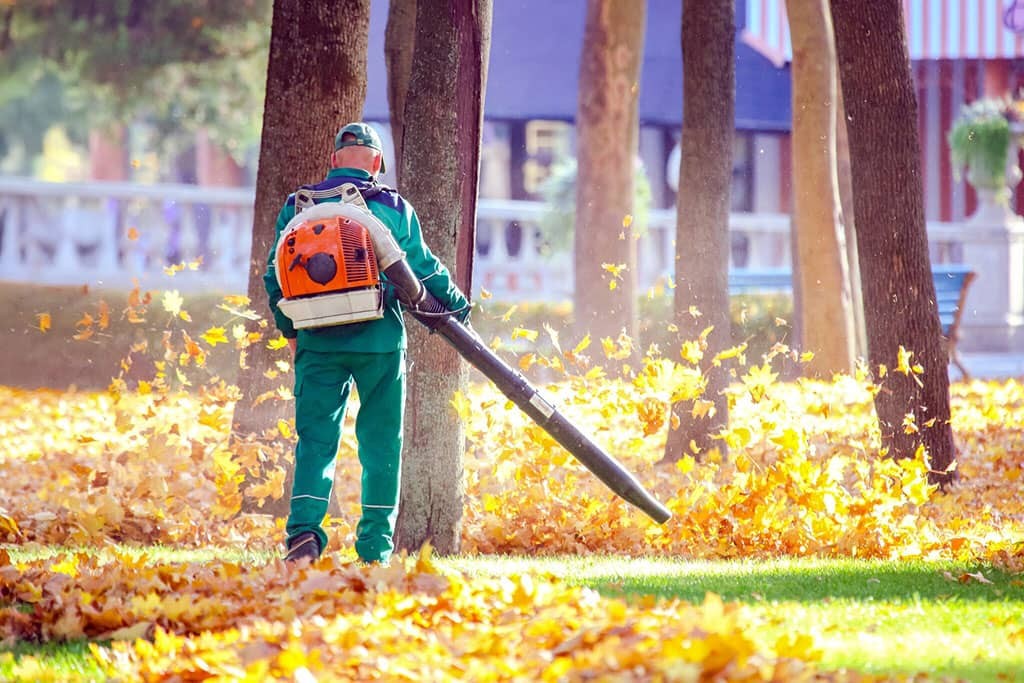
A-landscape-worker-in-green-overalls-operates-a-leaf-blower-to-remove-fallen-leaves-in-a-park.-Sunlight-filters-through-the-trees-creating-a-vibrant-atmosphere-with-swirling-leaves-2048x1365

There’s nothing quite like autumn in Colorado. The air turns crisp, the mountainsides ignite with golden aspen leaves, and a sense of cozy preparation settles over our communities. For HOA board members, this beautiful season also signals a critical transition period. The proactive HOA Maintenance performed in the fall is the single most important factor in safeguarding the community’s assets, preventing costly winter damage, and a smooth, safe season for all residents.

Neglecting these seasonal duties can lead to a cascade of problems once the snow begins to fly — from burst irrigation pipes and dangerous icy sidewalks to hefty, unbudgeted repair bills come springtime. This is why a comprehensive HOA Maintenance Checklist isn’t just a list of chores; it’s a strategic plan for fiscal responsibility and community well-being. As experts in Colorado community management, we’ve developed this guide to help your board navigate its HOA Maintenance Responsibilities and prepare your neighborhood for everything a Colorado winter can deliver.

Why Proactive HOA Maintenance Is Crucial In The Fall

Let’s paint a picture. Imagine a beautiful, sunny October day in your community. The sprinklers, however, are still scheduled on their summer timer. A sudden, early freeze hits overnight. The water in the backflow preventer freezes, expands, and cracks the entire system. What was a simple task of “winterizing the irrigation” has now become a multi-thousand-dollar emergency repair. This is just one of many preventable scenarios.

Fall HOA Maintenance is all about mitigating risk. It’s a series of preventative measures designed to protect the association’s most valuable physical assets. By addressing potential issues before the first major snowfall, you:

  • Prevent Costly Damage. Properly winterizing pipes, cleaning gutters, and inspecting roofs can prevent the catastrophic damage caused by ice, snow, and freeze-thaw cycles.
  • Enhance Safety and Reduce Liability. Clearing debris from walkways, a well-lit community, and planning for snow and ice removal are fundamental HOA Maintenance Responsibilities that keep residents safe and protect the HOA from potential lawsuits.
  • Protect Property Values. A well-maintained community looks better and functions better, preserving the aesthetic appeal and property values that homeowners invested in.
  • Allow for Strategic Budgeting. Identifying potential repairs in the fall allows the board to source competitive bids and budget accordingly, rather than reacting to expensive emergencies in the middle of winter.

The Ultimate Colorado HOA Maintenance Checklist

To effectively manage your community’s needs, it’s essential to have a clear and detailed plan. This HOA maintenance checklist outlines the key areas of focus for a successful fall maintenance strategy.

Continue reading
  4 Hits

logo


Resident Care: 855-289-6007

Hours: Monday-Friday 8:30 am-5:00 pm